

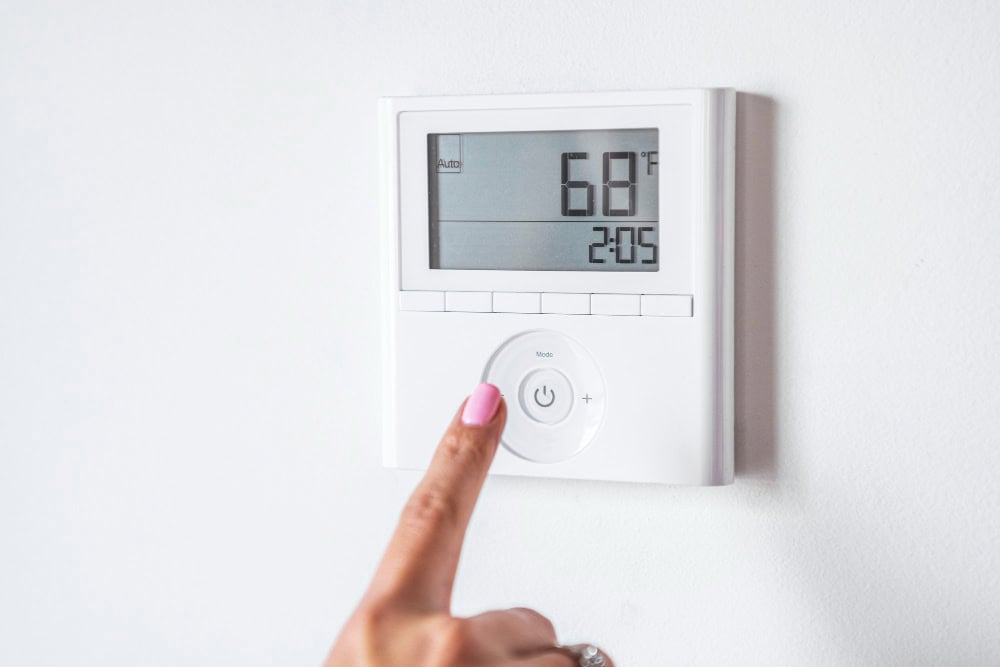
Key Takeaway: Understanding the difference between EM heat and regular heat on your thermostat is essential for efficient home heating. Regular heat is designed for everyday comfort and energy efficiency, while EM heat is a backup mode meant for extreme conditions or system issues. Using emergency heat when it isn’t needed can significantly increase energy costs, so knowing when—and when not—to use it matters.
Understanding EM Heat vs Heat on Your Thermostat
If you’ve ever looked at your thermostat and wondered what EM heat vs heat actually means, you’re not alone. This is one of the most common sources of confusion for homeowners with heat pump systems. The labels sound similar, but they serve very different purposes—and using the wrong one can impact comfort, efficiency, and monthly energy bills.
We see this confusion often when homeowners notice their system running longer than usual or their energy bill climbing unexpectedly. In many cases, emergency heat was turned on without realizing what it does. Understanding how these settings work puts you back in control of your comfort and helps protect your HVAC system from unnecessary strain.
At a high level, regular heat mode is what your system is designed to use day-to-day during winter. Emergency heat, often labeled as EM or EMH, is a backup option. It exists for specific situations—not as a replacement for normal heating. Knowing the difference allows you to heat your home efficiently without accidentally triggering higher operating costs.
What Is Emergency Heat (EM / EMH) and Why Does It Exist?
Emergency heat is a backup heating mode built into heat pump systems.
Emergency heat—commonly shown as EM or EMH on thermostats—bypasses the heat pump entirely and relies on a secondary heat source. This is usually electric resistance heat or, in some systems, a gas furnace. Unlike regular heat mode, emergency heat does not attempt to pull warmth from the outdoor air.
This mode exists for two main reasons. First, during extreme cold, a heat pump may struggle to extract enough heat from the outside air to keep your home comfortable. Second, if the heat pump itself isn’t functioning properly, emergency heat ensures your home can still be heated until repairs are made.
Because emergency heat relies on less efficient heating methods, it consumes significantly more energy than standard heat pump operation. That’s why it’s considered a backup—not a primary setting. For a deeper breakdown of how this mode works and when it’s appropriate, this guide on emergency heat explained walks through common scenarios homeowners encounter.
Important: Emergency heat is not designed to warm your home faster. It’s designed to keep your home warm when the heat pump can’t do its job.
How Regular Heat Mode Works
Regular heat mode is what your thermostat should be set to most of the time during winter. In heat pump systems, this mode works by transferring heat from the outdoor air into your home—even when temperatures feel cold outside.
Rather than creating heat, a heat pump moves it. This process is significantly more energy-efficient than electric resistance heating, which is why regular heat mode is far less expensive to operate than emergency heat. As long as outdoor temperatures are within the system’s operating range, the heat pump can maintain indoor comfort efficiently.
In regions like Arizona, Nevada, and California—where winter temperatures are often mild to moderate—regular heat mode is usually more than capable of handling daily heating needs. Understanding how heat pumps compare to other systems can be helpful, and this breakdown of forced air vs heat pump systems highlights why regular heat mode is typically the smarter choice.
When regular heat is working properly, your system cycles steadily, maintains consistent indoor temperatures, and avoids the high energy draw associated with emergency heat. That balance between comfort and efficiency is exactly what your system was designed to deliver.
EM Heat vs Heat: The Core Differences That Matter
When homeowners ask about the difference between EM heat and heat, what they’re really asking is why one setting costs more and when it actually makes sense to use it. While both settings produce warm air, the way they get there—and what it costs you—are very different.
Regular heat mode uses your heat pump’s outdoor unit to move heat indoors. This process is designed to be efficient, especially in climates where winter temperatures stay within a moderate range. Emergency heat, on the other hand, shuts that process down entirely and relies on backup heating elements to generate heat directly.
Because emergency heat creates heat instead of transferring it, it requires significantly more electricity. That’s why homeowners often notice a sudden spike in their utility bill after EM heat is turned on—sometimes without realizing it happened.
Bottom line: Regular heat is efficient and designed for daily use. Emergency heat is powerful, but expensive, and should only be used when the heat pump cannot operate effectively.
When Should You Actually Use Emergency Heat?
Only when your heat pump can’t keep up or isn’t working.
Emergency heat is meant for specific situations—not for comfort preference or faster warming. One appropriate time to use it is during extremely cold weather when outdoor temperatures drop below the effective operating range of the heat pump. In those conditions, the system may struggle to extract enough heat from the air.
Another valid reason to use EM heat is if the heat pump itself is experiencing a mechanical issue. If the outdoor unit isn’t running or has been shut down for repairs, emergency heat ensures your home still receives warmth while the primary system is offline.
What emergency heat is not designed for is day-to-day heating or faster temperature recovery. Turning it on because your home feels chilly for a short period often leads to higher costs without solving the underlying issue. If your system isn’t keeping up under normal conditions, it’s usually a sign that service or adjustment is needed—not emergency mode.
If you want a deeper breakdown of proper usage scenarios, this guide on when to use emergency heat explains why this setting should remain a backup—not a default.
Why EM Heat Costs More to Run
One of the biggest surprises homeowners experience after switching to EM heat is the cost. That’s because emergency heat relies on electric resistance heating, which draws significantly more power than a heat pump operating in regular heat mode.
Heat pumps are efficient because they move heat rather than create it. Emergency heat removes that advantage entirely. Instead of leveraging outdoor air, the system turns electricity directly into heat—a process that requires far more energy to achieve the same indoor temperature.
Over time, running EM heat unnecessarily doesn’t just increase monthly bills. It can also place additional strain on internal heating components that weren’t meant to run continuously. Understanding this difference helps homeowners avoid accidental overuse and unnecessary wear.
Energy reality: Emergency heat can cost two to three times more to operate than regular heat, depending on system type and usage.
How Thermostats Handle EMH and Heat Modes
Modern thermostats handle heating modes differently depending on the system and settings. Some thermostats require homeowners to manually switch to EM heat, while others can automatically engage backup heat if they detect a performance issue with the heat pump.
Smart and programmable thermostats often include safeguards that prevent unnecessary emergency heat usage, but those protections aren’t universal. In some cases, incorrect thermostat settings or wiring issues can cause EM heat to activate more often than intended.
This is why it’s important to understand what your thermostat is telling you. If you see “EM,” “EMH,” or “Emergency Heat” displayed unexpectedly, it’s worth investigating why. A properly functioning system shouldn’t rely on emergency heat during normal winter conditions.
Upgrading or properly configuring your thermostat can help prevent accidental energy waste. Resources like this overview of programmable thermostat benefits explain how better control leads to better efficiency and fewer surprises.
Why EM Heat Isn’t a “Faster” Heating Option
A common misconception we hear is that emergency heat warms a home faster than regular heat. In reality, EM heat is not designed for speed—it’s designed for reliability when the primary system can’t operate.
While emergency heat may feel warmer because it produces hotter air at the vents, that doesn’t mean it’s heating your home more efficiently. In fact, the system is working harder and consuming more energy to maintain the same indoor temperature.
If your home takes a long time to warm up using regular heat, that’s often a sign of airflow issues, thermostat calibration problems, insulation concerns, or a heat pump that needs service—not a reason to switch to EM heat.
Important to know: Emergency heat doesn’t fix performance issues—it bypasses them. If your system struggles in regular heat mode, the real solution is inspection and adjustment, not long-term EM heat use.
How Climate Impacts EM Heat vs Heat in Our Region
Homes in the tri-state river region experience a unique mix of winter conditions. While temperatures in areas like Fort Mohave, Bullhead City, and Laughlin are often mild, colder nights and seasonal cold snaps can still impact heat pump performance.
In places such as Needles, CA, Mohave Valley, Golden Shores, and Lake Havasu, most systems operate efficiently in regular heat mode the majority of the winter. Emergency heat is rarely needed unless temperatures drop unusually low or the system isn’t functioning properly.
Because these climates don’t experience prolonged freezing temperatures, frequent EM heat usage is often a red flag. If your thermostat switches to emergency heat regularly, it’s worth having the system evaluated rather than accepting higher energy bills as “normal.”
When It’s Time to Call a Heating Professional
If you’re unsure which thermostat setting is right for your home, that uncertainty alone is a reason to reach out. Heating systems don’t behave the same way in every house, and thermostat settings should reflect how your system performs—not guesswork.
You should consider professional help if:
In many cases, a simple service visit can resolve airflow issues, thermostat configuration problems, or early signs of system wear. For homes experiencing ongoing issues, heating repair may be the right next step, while aging systems may benefit from professional guidance on heating installation options.
Frequently Asked Questions: EM Heat vs Heat on Your Thermostat
What does EM heat mean on my thermostat?
EM heat stands for Emergency Heat. It activates backup heating elements when the heat pump cannot operate effectively due to mechanical issues or extremely cold outdoor temperatures.
Is EM heat more expensive than regular heat?
Yes. Emergency heat consumes significantly more electricity because it generates heat directly rather than transferring it. This leads to higher energy bills if used frequently.
Can I leave my thermostat on EM heat all winter?
No. Emergency heat is not designed for continuous use. Leaving it on unnecessarily can lead to excessive energy costs and added system wear.
Why did my thermostat switch to EM heat automatically?
Some thermostats automatically switch to emergency heat if they detect the heat pump isn’t meeting demand. This can indicate cold outdoor conditions or a system issue that should be checked.
Is EM heat the same as auxiliary heat?
No. Auxiliary heat assists the heat pump when needed, while emergency heat completely bypasses it and should only be used in limited situations.
Learn Which Thermostat Setting Is Right for You
Understanding the difference between EM heat and regular heat helps you stay comfortable without overspending. If you’re seeing emergency heat more often than expected—or you’re not sure what your thermostat is actually doing—getting expert guidance can save money and prevent unnecessary system strain.
Whether you’re in Fort Mohave, Bullhead City, Needles, Laughlin, Cal-Nev-Ari, Golden Shores, Mohave Valley, or Lake Havasu, heating systems should work with your climate—not against it.
Further Reading & Helpful Resources
If you want a deeper understanding of how your heating system works—and how to avoid unnecessary energy costs—these resources provide additional context and practical guidance.