

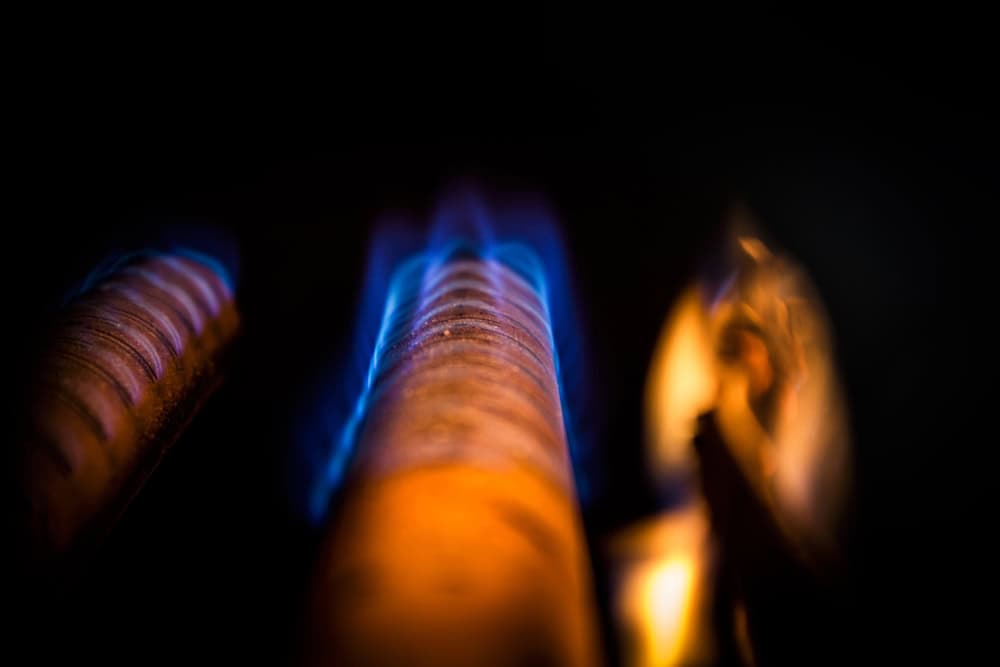
When a furnace won’t kick on, the cause is often a safety-related shutdown rather than a total system failure. In our experience serving Fort Mohave and surrounding Colorado River communities, issues like thermostat errors, dirty flame sensors, airflow restrictions, or pressure switch faults are far more common than complete furnace breakdowns. Knowing which checks are safe to perform—and when to stop—can prevent further damage and help you restore heat faster.
When your furnace won’t kick on, it rarely happens at a convenient time. Even in our desert climate, winter nights in Fort Mohave, Bullhead City, and Laughlin can drop quickly, and a non-responsive furnace becomes a safety concern—not just a comfort issue.
We see this scenario every heating season: the thermostat is calling for heat, the furnace may click or hum, but nothing happens—or the system starts and shuts down almost immediately. In most cases, the furnace is doing exactly what it’s designed to do: protecting your home from unsafe operating conditions.
In this guide, I’ll walk through the most common reasons a furnace won’t kick on, the safe diagnostic steps homeowners can take, and the warning signs that tell you it’s time to schedule professional heating repair. This is the same troubleshooting process our technicians use every day across Mohave Valley, Needles, and Lake Havasu homes.
- A furnace that won’t start is often reacting to a safety fault, not a failed component.
- Thermostat errors and airflow restrictions are among the most common causes.
- Dirty flame sensors frequently cause furnaces to shut down seconds after ignition.
- Repeated resets or breaker trips signal a deeper issue that should not be ignored.
- Carbon monoxide risks increase when furnace malfunctions involve exhaust venting problems or heat exchanger damage.
Why won’t my furnace kick on at all?
When a furnace refuses to start, it means the system is failing one of its required safety checks before ignition. Modern furnaces are designed to shut down if airflow, ignition, gas delivery, or electrical conditions fall outside safe limits.
According to the U.S. Department of Energy’s overview of home heating systems, modern furnaces are designed to shut down automatically when airflow, ignition, or exhaust conditions fall outside safe operating limits.
In desert environments like Fort Mohave and Golden Shores, we commonly see dust buildup, filter neglect, or pressure switch faults interfere with startup. These issues don’t always look dramatic, but they’re enough to prevent the furnace from firing.
The sections below walk through the most common causes in the order we recommend checking them—starting with the simplest and safest.
Could my thermostat be the reason my furnace won’t turn on?
A thermostat issue is one of the most common reasons a furnace won’t kick on, and it’s always the first place we check.
Make sure the thermostat is set to heat, the temperature is set above the current room temperature, and the unit has power. Dead batteries, loose wiring, or incorrect programming can all prevent the furnace from receiving a heat call.
If your system uses an older or unreliable thermostat, upgrading to a modern model can reduce false shutdowns and improve efficiency. We often recommend reviewing the benefits of a programmable thermostat when thermostat-related issues keep recurring.
What if the furnace clicks but doesn’t ignite?
Clicking without ignition usually indicates that the furnace is attempting to start but failing an ignition or flame-sensing step.
On older systems, this may involve a pilot light that has gone out due to drafts or a failing thermocouple. On newer furnaces, electronic ignitors or flame sensors are more common failure points.
If your furnace has a pilot light and it’s out, it must be relit carefully according to the manufacturer’s instructions. If you ever smell gas, do not attempt to relight anything—leave the area immediately and contact a professional. For homeowners with standing pilots, this guide on how to relight a furnace pilot light explains the process safely.
Can a dirty flame sensor stop a furnace from starting?
A dirty flame sensor is one of the most common reasons a furnace starts briefly and then shuts down—or never fully ignites.
The flame sensor’s job is to confirm that a flame is present once gas ignition begins. If the sensor is coated with dust, oxidation, or residue, the furnace interprets that as a failed ignition and shuts down for safety.
In our service area, fine desert dust accelerates flame sensor contamination. Homeowners who are comfortable with light mechanical work can sometimes clean the sensor safely, but many prefer professional help. This step-by-step overview of cleaning a furnace flame sensor explains what’s involved and when replacement may be necessary.
Could a tripped breaker or power issue be the cause?
If a furnace has no response at all, power loss is a strong possibility. Furnaces rely on electrical power even when heating with gas.
Check your electrical panel for tripped breakers and reset them once if needed. If the breaker trips again, stop there. Repeated trips often point to wiring faults, motor problems, or internal shorts that require professional diagnosis.
This situation is common enough that we regularly explain why furnaces trip circuit breakers during heating season. Ignoring repeated trips increases fire risk and equipment damage.
What happens when the furnace pressure switch fails?
A faulty pressure switch is a common reason a furnace won’t kick on, especially when the system starts and then immediately shuts down.
The pressure switch verifies that exhaust gases can vent safely out of your home. If it detects a blockage, inadequate airflow, or improper draft, the furnace will not ignite. This is a critical safety feature designed to prevent exhaust gases—including carbon monoxide—from backing up into living spaces.
In Fort Mohave and surrounding areas, we frequently see pressure switch shutdowns triggered by airflow restrictions, often caused by dust buildup, debris in vent pipes, or moisture accumulation during colder nights. While the switch itself is small, diagnosing it properly requires specialized tools. For most homeowners, this is not a DIY repair. If you want to understand how it works and why it fails, this breakdown explains where the pressure switch is located and what it does.
Is your furnace short-cycling instead of heating?
Furnace short cycling occurs when the system turns on and off repeatedly without completing a full heating cycle, and it’s another reason homeowners report that their furnace won’t kick on properly.
Short cycling is often triggered by airflow restrictions, dirty filters, overheating conditions, or thermostat placement issues. In desert environments like Mohave Valley and Golden Shores, clogged filters are especially common due to airborne dust.
Replacing the air filter is always the first step. If the problem continues, the cause may involve flame sensors, pressure switches, or internal temperature limits. This overview of why furnaces short cycle outlines the most frequent underlying issues we encounter in the field.
Is it safe to keep resetting a furnace that won’t start?
Repeatedly resetting a furnace that won’t kick on is not safe because it can temporarily bypass safety controls without resolving the underlying airflow, ignition, or exhaust problem.
Modern furnaces shut down intentionally when unsafe conditions are detected. Repeated power cycling or breaker resets can stress ignition components and delay identification of conditions—such as venting failures or heat exchanger damage—that increase carbon monoxide risk.
The Centers for Disease Control and Prevention warns that malfunctioning fuel-burning appliances are a leading cause of accidental carbon monoxide exposure, which is why repeatedly resetting a furnace without resolving the root issue increases risk rather than fixing the problem.
According to the Centers for Disease Control and Prevention, malfunctioning fuel-burning appliances are a leading source of unintentional carbon monoxide exposure in homes. Any furnace that fails to ignite consistently, shuts down unexpectedly, or emits unusual odors should be inspected before continued operation.
When should you stop troubleshooting and call a professional?
If your furnace won’t kick on after basic checks—or if it repeatedly shuts down—the safest next step is a professional inspection.
We recommend scheduling service immediately if you notice any of the following:
- The furnace clicks or hums but never ignites
- The system starts briefly and shuts down within seconds
- Breakers continue to trip after being reset
- You smell gas or burning odors
- The furnace has not been professionally serviced in over a year
The U.S. Consumer Product Safety Commission emphasizes that unresolved furnace ignition and exhaust problems should be professionally evaluated because faulty heating equipment is a known source of dangerous carbon monoxide buildup in homes.
At this point, continued DIY attempts often delay the real fix and increase repair costs. A licensed technician can safely test ignition components, airflow, gas pressure, and safety switches to restore proper operation.
Furnace Issues in Fort Mohave and the Colorado River Region
Serving Fort Mohave, Bullhead City, Laughlin, Needles, Cal-Nev-Ari, Golden Shores, Mohave Valley, and Lake Havasu, we see heating issues that are heavily influenced by desert conditions. Fine dust, wide temperature swings, and older HVAC installations all contribute to furnaces failing to kick on when heat is needed most.
Many homes in this region rely on systems that were not originally designed for persistent dust exposure. As a result, flame sensors, pressure switches, and airflow components require closer attention than in milder climates. Local homeowners are often surprised to learn that a furnace failure is not due to age, but to preventable environmental factors.
That’s why localized diagnostics matter. Understanding how furnaces behave in Mohave County homes allows us to resolve issues faster and prevent repeat breakdowns.
Furnace Won’t Kick On: Common Questions Homeowners Ask
Why does my furnace click but not turn on?
Can a dirty air filter cause a furnace not to start?
Is it dangerous to keep resetting a furnace that won’t kick on?
How often should a furnace be serviced to prevent startup problems?
When should I call a professional if my furnace won’t turn on?
Schedule a Furnace Inspection in Fort Mohave
If your furnace won’t kick on—or keeps shutting down unexpectedly—professional diagnostics are the safest and fastest way to restore reliable heat. We help homeowners throughout Fort Mohave, Bullhead City, Laughlin, Needles, Mohave Valley, and Lake Havasu identify ignition failures, airflow problems, and safety shutdowns before they turn into costly repairs.
Rather than guessing or repeatedly resetting the system, scheduling a furnace inspection allows us to pinpoint the exact cause and ensure your heating system is operating safely and efficiently.
If you’re dealing with a furnace that won’t kick on, schedule a furnace inspection today and get clear answers from a local team that understands desert HVAC conditions.
Schedule a furnace inspection today
Further Reading & References
- U.S. Department of Energy — Home Heating Systems Overview
- Centers for Disease Control and Prevention — Carbon Monoxide Poisoning Prevention
- U.S. Consumer Product Safety Commission — Carbon Monoxide Safety Information
- The DIY Approach to Cleaning Your Furnace Flame Sensor
- 7 Reasons Why Your Furnace Is Short Cycling
- Why Your Furnace Keeps Tripping the Circuit Breaker