

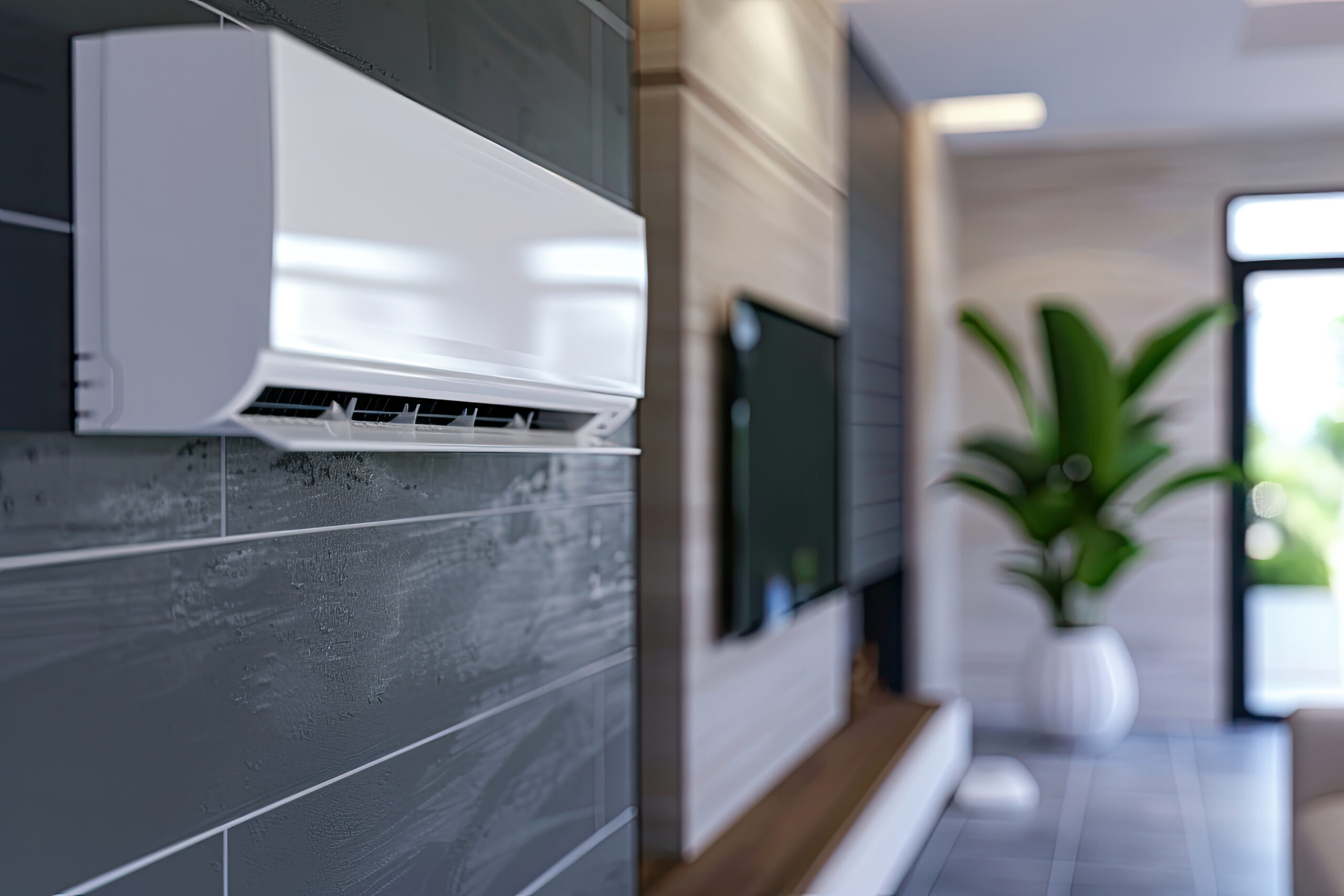
A ductless mini split installation can be a practical way to add efficient heating and cooling where extending traditional ductwork would be difficult or unnecessary. Mini split HVAC systems are commonly used for additions, garages, workshops, guest rooms, older homes, converted spaces, and rooms that never stay as comfortable as the rest of the house.
For homeowners in Fort Mohave, Bullhead City, Needles, Laughlin, Lake Havasu, and surrounding River Valley communities, ductless air conditioning also provides room-by-room control during demanding desert summers. Understanding how the system works and what happens during professional installation can make it easier to decide whether a mini split fits your property.
What Is a Ductless Mini Split HVAC System?
A ductless mini split is a heating and cooling system that connects one or more indoor air-handling units to an outdoor compressor and condenser.
Instead of sending conditioned air through ducts, each indoor unit delivers heating or cooling directly to its zone. A small bundle containing refrigerant tubing, electrical wiring, and a condensate drain connects the indoor equipment to the outdoor unit.
Many modern mini splits use inverter-driven compressors that adjust capacity as conditions change. This can help maintain steadier indoor temperatures instead of relying only on full-output operation and shutdown cycles.
Homeowners comparing system types can review River Valley Air Conditioning’s air conditioning installation services for more information about professional cooling system installation.
What Are the Advantages of Ductless Air Conditioning?
Ductless air conditioning provides targeted comfort, flexible installation, and the ability to condition spaces without adding conventional ductwork.
One major advantage is zoning. A bedroom, home office, workshop, or addition can have its own temperature control rather than depending on the thermostat serving the rest of the house. Compatible multi-zone systems can connect several indoor units to one outdoor unit.
Ductless systems also avoid conditioned-air losses associated with leaky or poorly insulated ducts. They can be especially useful in older properties without existing ductwork or additions where extending the central system would require significant construction.
Step 1: Professional Evaluation and System Sizing
A successful ductless mini split installation starts with determining how much heating and cooling the space actually needs.
Choosing equipment based only on square footage can lead to poor results. A professional evaluation also considers insulation, ceiling height, window area, orientation, air leakage, occupancy, room use, and heat entering from sunlight or equipment.
This is especially important in the desert. A west-facing room with large windows can experience a different cooling load from an interior room of the same size. Garages and workshops may also have limited insulation and large doors that increase heat gain.
An oversized system may provide inconsistent performance, while an undersized unit may struggle during peak conditions. Correct sizing helps the mini split operate as intended.
Step 2: Choosing Indoor Unit Locations
The indoor unit should be positioned where it can distribute conditioned air throughout the room without obstruction.
Wall-mounted units are common, but ductless equipment can also include ceiling cassettes, floor-mounted units, and other configurations. The best option depends on the building layout and equipment design.
Technicians consider airflow direction, wall structure, maintenance access, line-set routing, condensate drainage, and manufacturer clearances. Furniture, cabinets, curtains, or architectural features should not block airflow.
Step 3: Selecting the Outdoor Unit Location
The outdoor mini split unit needs a stable location with adequate airflow, service access, and protection from avoidable debris.
The condenser may be installed on a ground-level pad or approved mounting bracket. Technicians follow manufacturer clearance requirements so the unit can draw in air and release heat effectively.
In River Valley communities, placement should account for intense sun, desert dust, landscaping, and windblown debris. The equipment should not be boxed in by fences, shrubs, storage items, or other airflow restrictions.
Step 4: Creating the Line-Set Path
A small opening through the exterior wall allows the indoor and outdoor portions of the mini split HVAC system to connect.
Technicians route insulated refrigerant tubing, wiring required by the system, and the condensate drain through this path. The exact configuration varies by equipment and installation.
The opening should be properly sealed after connections are completed. Exterior line-set covers can protect exposed tubing while giving the installation a cleaner appearance.
Drainage also requires planning. Condensate produced by the indoor unit needs a reliable path away from the equipment, using gravity drainage or a condensate pump when appropriate.
Step 5: Electrical and Refrigerant Connections
Electrical and refrigerant work should be completed according to manufacturer specifications and applicable codes.
A mini split requires the correct electrical circuit, disconnecting means, wiring, grounding, and overcurrent protection. Refrigerant lines must also be installed, connected, tested, and prepared correctly before commissioning.
Step 6: Testing and Commissioning the Mini Split
Professional commissioning verifies that the new mini split is installed correctly and operating as designed.
Technicians follow manufacturer procedures for the refrigerant circuit and confirm heating and cooling performance, airflow, controls, condensate drainage, and communication between indoor and outdoor components.
The installer should also explain basic controls, filter access, cleaning needs, and recommended maintenance so homeowners know how to operate and care for the equipment.
How Long Does Ductless Mini Split Installation Take?
A straightforward single-zone mini split can often be installed within a day, while multi-zone or more complex installations may require additional time.
The schedule depends on the number of indoor units, electrical requirements, line-set routing, wall construction, outdoor-unit placement, condensate drainage, and accessibility. A professional evaluation gives homeowners a clearer idea of what their project involves.
How Do You Maintain a Mini Split After Installation?
Regular filter cleaning and professional maintenance help a ductless mini split maintain airflow and reliable performance.
Many indoor units have reusable filters that require periodic cleaning. The interval depends on the manufacturer, operating conditions, pets, dust levels, and how frequently the equipment runs.
Outdoor coils should remain free of weeds, leaves, and debris. Indoor coils, blower wheels, drains, electrical connections, and refrigerant performance may also require professional attention.
River Valley Air Conditioning’s HVAC maintenance plan provides another resource for homeowners who want routine professional care.
Is a Mini Split Better Than Central Air?
A mini split is not automatically better than central air; the best choice depends on the property, comfort goals, existing ductwork, and how the space will be used.
Central air can work well when a home already has properly designed ductwork and needs whole-home cooling. Ductless equipment can be more practical when only one or several areas need conditioning, when ductwork is unavailable, or when independent temperature zones are desired.
Some properties use both. A central HVAC system may serve the main living area while a ductless unit conditions an addition, workshop, garage conversion, or another difficult-to-reach space.
If you are deciding between repairing existing equipment and installing something new, River Valley Air Conditioning’s guide on what to consider before upgrading your HVAC system can help put age, repair frequency, comfort, and efficiency into perspective.
Local Authority: Mini Split HVAC in the Tri-State Area
River Valley Air Conditioning has served local homes and businesses since 1955. The family-owned company provides residential, commercial, and industrial HVAC service throughout Fort Mohave, Bullhead City, Needles, Laughlin, Cal-Nev-Ari, Golden Shores, Mohave Valley, and Lake Havasu.
With four generations of HVAC experience, more than 30 employees, emergency service, and experience with all major brands, River Valley understands the cooling demands created by extreme desert temperatures. Professional sizing and installation are particularly important when equipment faces long operating hours throughout the cooling season.
Homeowners considering new equipment can also review River Valley Air Conditioning’s guide to understanding HVAC sizing and BTU capacity.
Frequently Asked Questions About Ductless Mini Split Installation
Do mini splits require ductwork?
No. Ductless mini splits deliver conditioned air directly from indoor units and connect to outdoor equipment through refrigerant tubing, wiring, and condensate drainage.
Can a mini split cool an entire house?
Some homes can use multi-zone ductless systems with several indoor units. Whether that approach is appropriate depends on the home’s layout, heating and cooling loads, and equipment design.
Where should an indoor mini split unit be installed?
The indoor unit should be installed where it can distribute air effectively, meet manufacturer clearances, allow proper drainage and line routing, and remain accessible for maintenance.
How long does a ductless mini split installation take?
A straightforward single-zone installation can often be completed within a day. Multi-zone systems, electrical upgrades, difficult line routing, or complex building conditions may require more time.
Do mini splits need professional maintenance?
Yes. Homeowners can clean accessible filters and keep outdoor equipment clear, while professional maintenance can address coils, drains, electrical components, refrigerant performance, and overall operation.
Is Ductless HVAC Right for Your Home?
A ductless mini split can provide flexible, targeted comfort without the construction required to add traditional ductwork. The biggest benefits come when equipment is correctly sized, strategically placed, professionally installed, and maintained for local conditions.
For desert homes, that means paying particular attention to cooling load, outdoor-unit airflow, dust, electrical requirements, and the long operating hours that come with extreme summer temperatures.
Schedule your mini split installation with River Valley Air Conditioning to get professional guidance on equipment sizing, system configuration, placement, and installation for your home or property.