


AC repair in Lake Havasu becomes when outdoor temperatures climb and your cooling system runs for much of the day. Long cooling cycles are not automatically a problem in a desert climate, but there is a difference between an air conditioner working hard and one that is no longer keeping up.
Intense sun, prolonged summer heat, airborne dust, and heavy seasonal use can expose weaknesses that might be less noticeable in a milder climate. A dirty filter, failing electrical component, refrigerant problem, thermostat issue, or restricted coil can quickly become a larger comfort problem when the AC has little opportunity to rest.
This guide explains what Lake Havasu homeowners can safely check, what common symptoms may mean, and when it is time to request professional service.
Why Is AC Repair in Lake Havasu So Important During Summer?
AC problems can become more disruptive in Lake Havasu because cooling systems face extreme outdoor temperatures and long operating hours.
During intense desert heat, your AC must collect indoor heat and release it outdoors even when the condenser is surrounded by very hot air. Longer cycles can therefore be normal. What deserves attention is a change from your system’s usual behavior. If the house used to maintain the thermostat setting but suddenly cannot, airflow becomes weaker, or the unit develops new noises, those changes can signal a problem.
River Valley Air Conditioning provides local repair, installation, maintenance, and emergency services; homeowners can review its Lake Havasu HVAC services for area-specific information.
Why Does My AC Keep Running?
An AC keeps running when cooling demand remains high or the system cannot remove heat from the home efficiently enough to satisfy the thermostat.
On an exceptionally hot Lake Havasu afternoon, extended operation may reflect outdoor conditions. Continuous running can also result from a clogged filter, dirty coils, duct leakage, thermostat problems, refrigerant issues, reduced equipment capacity, or aging components.
Start by confirming that the thermostat is set to COOL and that the desired temperature is reasonable. Check whether the fan is set to AUTO rather than ON. With the fan set to ON, the indoor blower may continue moving air even when the compressor is not actively cooling, making it seem as though the AC never shuts off.
Next, inspect the air filter and make sure supply registers and return grilles are not blocked by furniture, rugs, curtains, or stored items.
For a deeper look at this symptom, see River Valley Air Conditioning’s guide to why an AC runs constantly.
Why Won’t My AC Turn Off at the Set Temperature?
If your AC won’t turn off at the set temperature, determine whether the thermostat has actually reached the target and whether the compressor or only the indoor fan is still operating.
If the thermostat still shows a room temperature above the set point, the system may simply be continuing its cooling cycle. If the displayed temperature reaches the setting but cooling continues indefinitely, thermostat settings, sensor accuracy, controls, or other system problems may be involved.
Thermostat location matters. Direct sunlight, nearby electronics, lamps, or cooking appliances can influence what a thermostat senses. If the thermostat appears normal but the home still cannot reach the target, airflow, coil condition, refrigerant performance, ductwork, and equipment capacity become important diagnostic areas.
What Should You Check Before Calling for AC Repair?
Before calling for repair, homeowners can safely check thermostat settings, the filter, accessible vents, the outdoor-unit surroundings, and whether the system has electrical power.
Walk through the home and compare airflow from several supply vents. One room with poor airflow may suggest a localized register or duct issue, while weak airflow throughout the home can point to a broader problem.
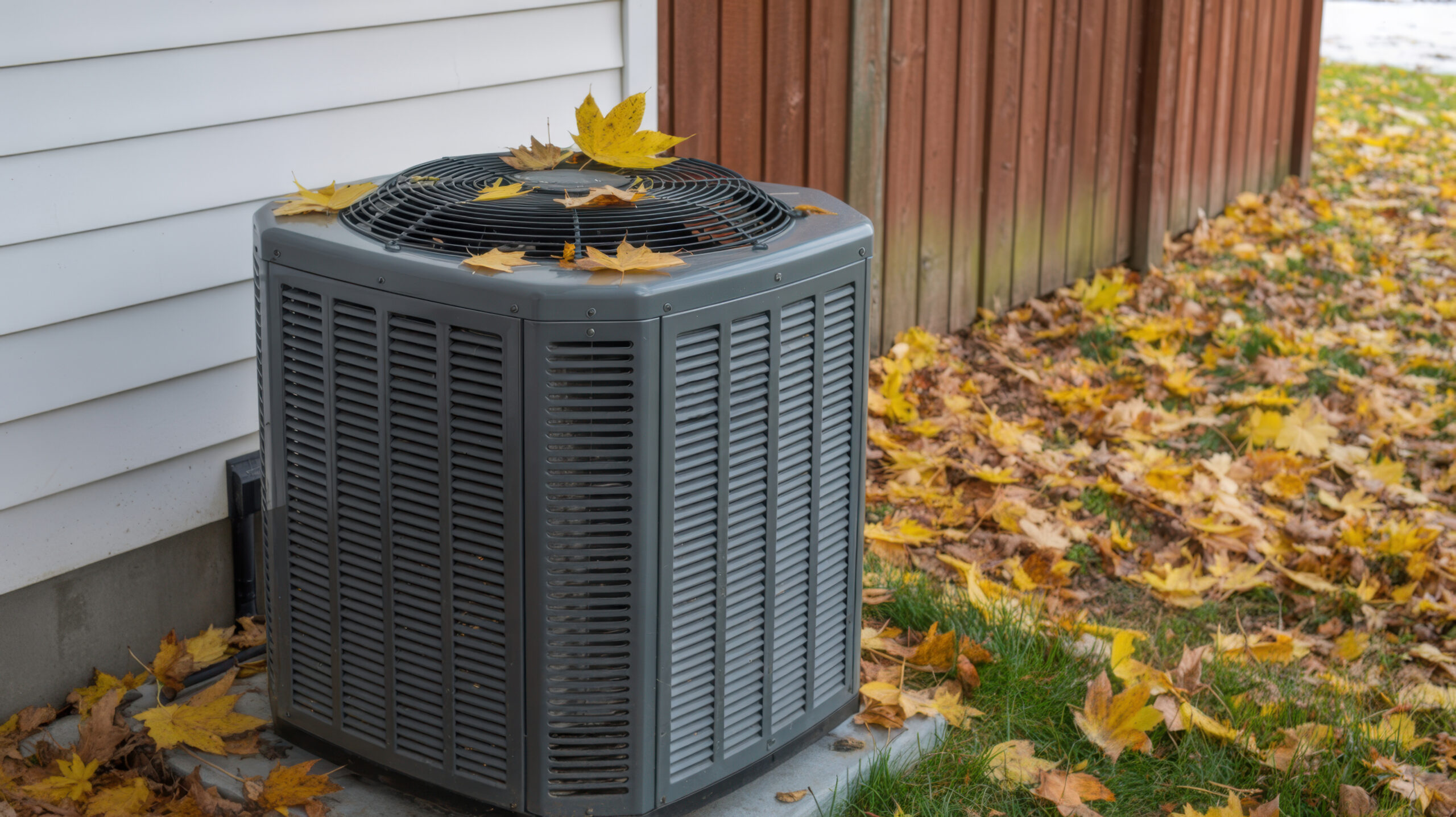
From a safe distance, inspect the outdoor condenser. Remove loose leaves, weeds, or objects crowding the unit, but do not open equipment panels or reach inside the cabinet. If the AC is not operating at all, check whether a circuit breaker has tripped. A breaker that trips repeatedly should not simply be reset again and again.
What Does Warm Air From the Vents Mean?
Warm or room-temperature air from the vents can indicate a thermostat setting issue, outdoor-unit problem, airflow restriction, refrigerant problem, or another cooling-system malfunction.
Confirm that the thermostat is set to COOL and check whether the outdoor unit appears to be operating. If the indoor blower runs but the outdoor equipment does not, professional diagnosis may be needed.
Do not assume that adding refrigerant is routine maintenance. Air-conditioning systems are designed as closed refrigerant circuits. If refrigerant is low, the cause needs to be identified rather than repeatedly adding more. River Valley’s homeowner guide to refrigerant leaks explains common warning signs and why suspected leaks should be handled professionally.
Why Is Airflow Weak Even Though the AC Is Running?
Weak airflow can result from a dirty filter, blocked registers, blower problems, dirty indoor components, or restrictions and leakage within the duct system.
The filter is the easiest place to start. If it is visibly dirty, replace or clean it according to the equipment and filter manufacturer’s instructions. Avoid automatically choosing the most restrictive filter available because the HVAC system must still move the required volume of air.
If a fresh filter does not improve airflow, or if you hear the blower running but little air reaches multiple rooms, a technician can inspect the blower, evaporator coil, duct system, and other components.
When Is an AC Noise a Sign You Need Professional Repair?
New grinding, screeching, banging, repeated clicking, or unusually loud buzzing should be evaluated because sudden sound changes can indicate mechanical or electrical problems.
A new or rapidly worsening noise deserves attention. Shut the system down and request service if it is severe, accompanied by a burning smell, repeated breaker trips, or loss of cooling.
Can Maintenance Reduce the Need for AC Repairs?
Routine maintenance cannot prevent every failure, but it can identify developing problems and help the system operate with cleaner components, appropriate airflow, sound electrical connections, and proper cooling performance.
For Lake Havasu homeowners, maintenance is before the most demanding part of cooling season. A professional inspection can reveal worn electrical parts, drainage problems, dirty components, airflow concerns, or other issues before they become an emergency.
Local Authority: AC Repair for Lake Havasu Homes
River Valley Air Conditioning is a family-owned, fourth-generation HVAC company serving the Tri-State area since 1955. Its service area includes Lake Havasu City along with Fort Mohave, Bullhead City, Needles, Laughlin, Cal-Nev-Ari, Golden Shores, and Mohave Valley.
River Valley provides residential, commercial, and industrial HVAC services, works with major equipment brands, and offers emergency service. Local experience matters because desert cooling problems are shaped by conditions homeowners in this region face every summer: extreme temperatures, intense sunlight, dust, and long equipment run times.
Frequently Asked Questions About AC Repair in Lake Havasu
Is it normal for my AC to run all day in Lake Havasu?
Long cooling cycles can occur during extreme heat. If the AC runs continuously while indoor temperatures rise, airflow weakens, or system behavior changes noticeably, professional service may help.
Why won’t my AC turn off when it reaches the set temperature?
Check whether the thermostat fan is set to AUTO and whether the compressor is still cooling or only the blower is running. Persistent operation can also involve thermostat, control, airflow, or cooling-performance problems.
What is the first thing I should check when my AC is not cooling?
Confirm the thermostat is set to COOL, inspect the air filter, and make sure accessible vents are open and unobstructed. If those checks do not restore cooling, request professional service.
Should I keep running my AC if there is ice on the refrigerant line?
No. Turn cooling off and arrange for service. Ice can be associated with airflow or refrigerant problems, and continued operation may contribute to further issues.
Can desert dust cause AC problems?
Dust can load filters and collect on HVAC components, contributing to airflow and heat-transfer problems. Regular filter checks and professional cleaning when needed are useful in dusty desert conditions.
Keep Small AC Problems From Becoming Summer Breakdowns
Lake Havasu heat can make it difficult to tell whether an AC is simply working hard or beginning to fail. Focus on changes: longer run times than normal, inability to reach the set temperature, weak airflow, warm air, unusual sounds, ice, or repeated electrical problems.
Simple checks such as verifying thermostat settings and inspecting the filter are worthwhile. Beyond those basics, professional diagnostics are the safest way to identify electrical, refrigerant, mechanical, or internal airflow problems.
Request AC Repair Service in Lake Havasu from River Valley Air Conditioning when your system is no longer cooling the way it should.