

Wondering why is my AC running constantly is especially common during extreme desert heat. In Fort Mohave, Bullhead City, Needles, Laughlin, Lake Havasu, and nearby River Valley communities, long cooling cycles can be normal on the hottest afternoons. However, an air conditioner that never seems to shut off, cannot reach the thermostat setting, or suddenly runs much longer than it used to may be showing signs of a cooling system issue.
Is It Normal for an AC to Run Constantly During Extreme Heat?
Long AC cycles can be normal during extreme heat, but the system should still make progress toward the thermostat setting.
When outdoor temperatures climb well above 100°F, your air conditioner must remove a large amount of heat from the home. During the hottest part of the day, a properly functioning system may run for long stretches, especially in homes with strong sun exposure, older insulation, large windows, or frequent door openings.
The bigger warning sign is not run time alone. It is whether the home is actually cooling. If the AC runs continuously while indoor temperatures continue rising, or if it cannot get close to the thermostat setting, the system may have a performance problem that needs attention.
For homeowners facing persistent cooling trouble, River Valley Air Conditioning’s guide to AC repair services in Fort Mohave explains several common issues that professional technicians diagnose during hot-weather service calls.
Step 1: Check the Thermostat Settings
The first AC troubleshooting step is to make sure the thermostat is calling for cooling correctly.
Set the thermostat to COOL and make sure the desired temperature is lower than the current indoor temperature. Then check the fan setting. If the fan is set to ON, the blower may run continuously even when the compressor is not actively cooling. Switching the fan to AUTO allows it to cycle with the cooling system.
Also consider thermostat location. Direct sunlight, nearby lamps, televisions, kitchen heat, or warm air from another room can cause inaccurate readings. If the thermostat thinks the house is warmer than it really is, it may keep calling for cooling.
Step 2: Inspect the Air Filter
A dirty air filter is one of the simplest reasons an AC may run longer than normal.
When the filter becomes packed with dust and debris, airflow through the system drops. The air conditioner may still produce cold air, but it cannot move enough of that air through the home efficiently. The result can be longer run times, weak airflow, uneven room temperatures, and higher energy use.
Inspect the filter and replace it if it looks dirty. During heavy summer use in dusty desert conditions, checking the filter monthly is a smart habit.
Step 3: Make Sure Supply and Return Vents Are Open
Blocked or closed vents can interfere with airflow and make your cooling system work harder.
Walk through the home and make sure supply vents are open and not covered by furniture, rugs, curtains, or boxes. Return grilles should also remain unobstructed because the system needs a steady path for indoor air to return to the air handler.
Closing multiple vents in unused rooms may seem like an energy-saving strategy, but it can change system pressure and reduce overall performance.
Step 4: Check the Outdoor Condenser for Airflow Problems
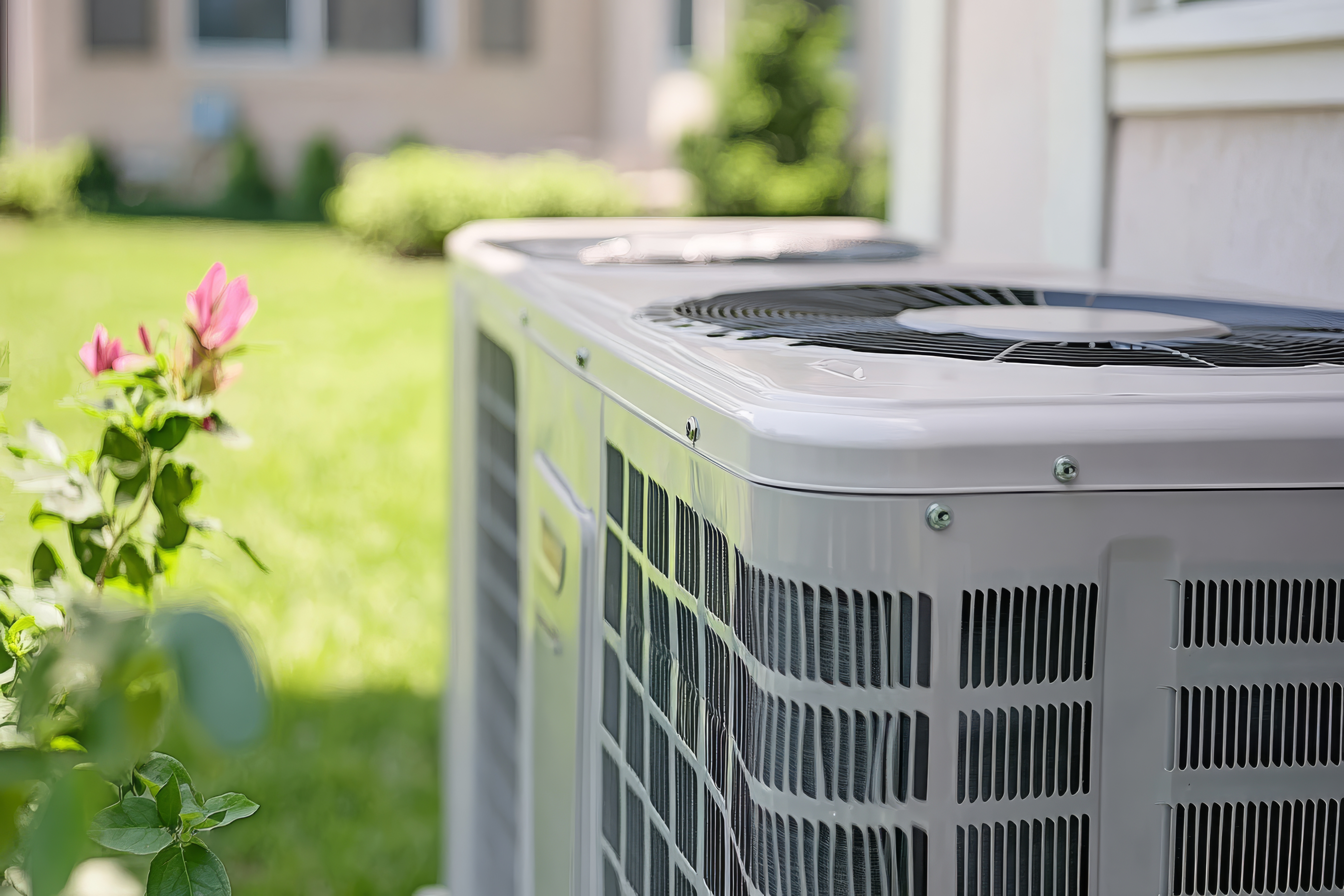
The outdoor condenser needs clear airflow to release heat from your home.
Look around the unit for weeds, leaves, windblown trash, grass clippings, storage items, or other objects that could restrict airflow. Desert dust and monsoon debris can accumulate quickly, especially after strong winds.
Do not build a tight screen or enclosure around the unit. Shade can be useful when it does not interfere with airflow, but a blocked condenser may recycle hot air and struggle to reject heat.
Lake Havasu homeowners can find additional desert-specific cooling guidance in River Valley Air Conditioning’s AC repair tips for Lake Havasu homes.
Step 5: Look for Signs of Frozen Coils
Ice on refrigerant lines or the indoor evaporator coil is a sign that the system is not operating normally.
Frozen coils can develop because of restricted airflow, dirty coils, blower problems, or refrigerant issues. A frozen system may continue running while producing weak airflow or little useful cooling.
If you see ice, turn the cooling system off and allow it to thaw before professional service. Do not chip, scrape, or force ice off the coil because delicate HVAC components can be damaged.
Step 6: Consider Dirty Coils or Refrigerant Problems
Dirty coils and refrigerant problems can both reduce cooling capacity and cause an AC to run continuously.
The evaporator coil absorbs heat indoors while the condenser coil releases heat outside. When either coil becomes heavily coated with dirt or debris, heat transfer becomes less effective. The system may then run longer while delivering less cooling.
Low refrigerant can create similar symptoms. Refrigerant does not get “used up” during normal operation, so low levels can indicate a leak. Signs may include warm air, hissing sounds, frozen coils, or poor cooling despite long run times.
Step 7: Think About Duct Leaks and Home Heat Gain
Your AC may be functioning, but cooled air can still be lost through leaking ducts or excessive heat entering the home.
Duct leaks in attics, crawl spaces, or other unconditioned areas can allow cooled air to escape before it reaches living spaces. At the same time, poor insulation, air leaks around doors and windows, and intense afternoon sun can increase the amount of heat the system must remove.
What Cooling System Issues Require a Professional Diagnostic?
Professional AC diagnostics are recommended when the system runs continuously without cooling properly or shows signs of mechanical, refrigerant, or electrical trouble.
Call a technician if you notice warm air from the vents, frozen coils, hissing or bubbling sounds, repeated breaker trips, burning odors, loud buzzing, weak airflow throughout the home, water around indoor equipment, or a sudden loss of cooling capacity.
A professional diagnostic may include thermostat testing, airflow measurements, electrical checks, refrigerant evaluation, coil inspection, temperature testing, motor inspection, and an overall review of system performance.
River Valley Air Conditioning’s AC repair service includes troubleshooting and diagnostic work for cooling systems throughout the Tri-State area.
Can Maintenance Help Prevent Constant AC Operation?
Routine maintenance can reduce the risk of many problems that cause excessive AC run time.
Preventive service gives technicians an opportunity to inspect electrical connections, coils, refrigerant performance, motors, drainage, thermostat operation, and airflow before peak conditions expose weak components.
River Valley Air Conditioning recommends seasonal service and offers a maintenance plan for homeowners who want regular system inspections and priority service benefits.
According to the U.S. Department of Energy, proper maintenance is an important part of keeping air conditioning systems operating efficiently.
Local Authority: AC Troubleshooting Across the Tri-State Area
River Valley Air Conditioning has served homes and businesses across the Tri-State area since 1955. The company provides HVAC service throughout Fort Mohave, Bullhead City, Needles, Laughlin, Cal-Nev-Ari, Golden Shores, Mohave Valley, and Lake Havasu.
Cooling systems in these communities face long summer run times, extreme daytime heat, desert dust, intense sunlight, and heavy seasonal demand. Those local conditions can make it harder to tell the difference between a system working hard and a system developing a problem.
Frequently Asked Questions About an AC Running Constantly
Why is my AC running constantly but not cooling?
An AC that runs constantly without cooling may have restricted airflow, dirty coils, low refrigerant, duct leaks, thermostat problems, or failing components that reduce cooling capacity.
Should my AC run all day when it is over 100 degrees outside?
Long cooling cycles can be normal during extreme heat, but the system should still maintain or gradually approach the thermostat setting. If indoor temperatures continue rising, service may be needed.
Can a dirty filter make my AC run constantly?
Yes. A clogged filter restricts airflow and can make the system run longer while reducing cooling performance.
Can low refrigerant cause nonstop AC operation?
Yes. Low refrigerant can reduce the system’s ability to absorb heat, causing long run times, warm air, frozen coils, and poor cooling.
When should I turn off an AC that keeps running?
Turn the system off if you notice burning odors, repeated breaker trips, smoke, significant ice buildup, electrical symptoms, or other signs that continued operation may cause damage or create a safety concern.
Get Clear Answers About Constant AC Operation
If your AC runs for long periods during extreme heat but continues keeping the home comfortable, the system may simply be responding to heavy cooling demand. If it runs continuously without reaching the thermostat setting, however, it is time to look for an underlying issue.
Start with safe checks: confirm thermostat settings, inspect the filter, open vents, and clear debris around the condenser. If the system still struggles, professional diagnostics can determine whether airflow, refrigerant, electrical, duct, or equipment problems are responsible.
Request an AC diagnostic service from River Valley Air Conditioning to identify the cause of continuous operation and get the right repair recommendation for your cooling system.