

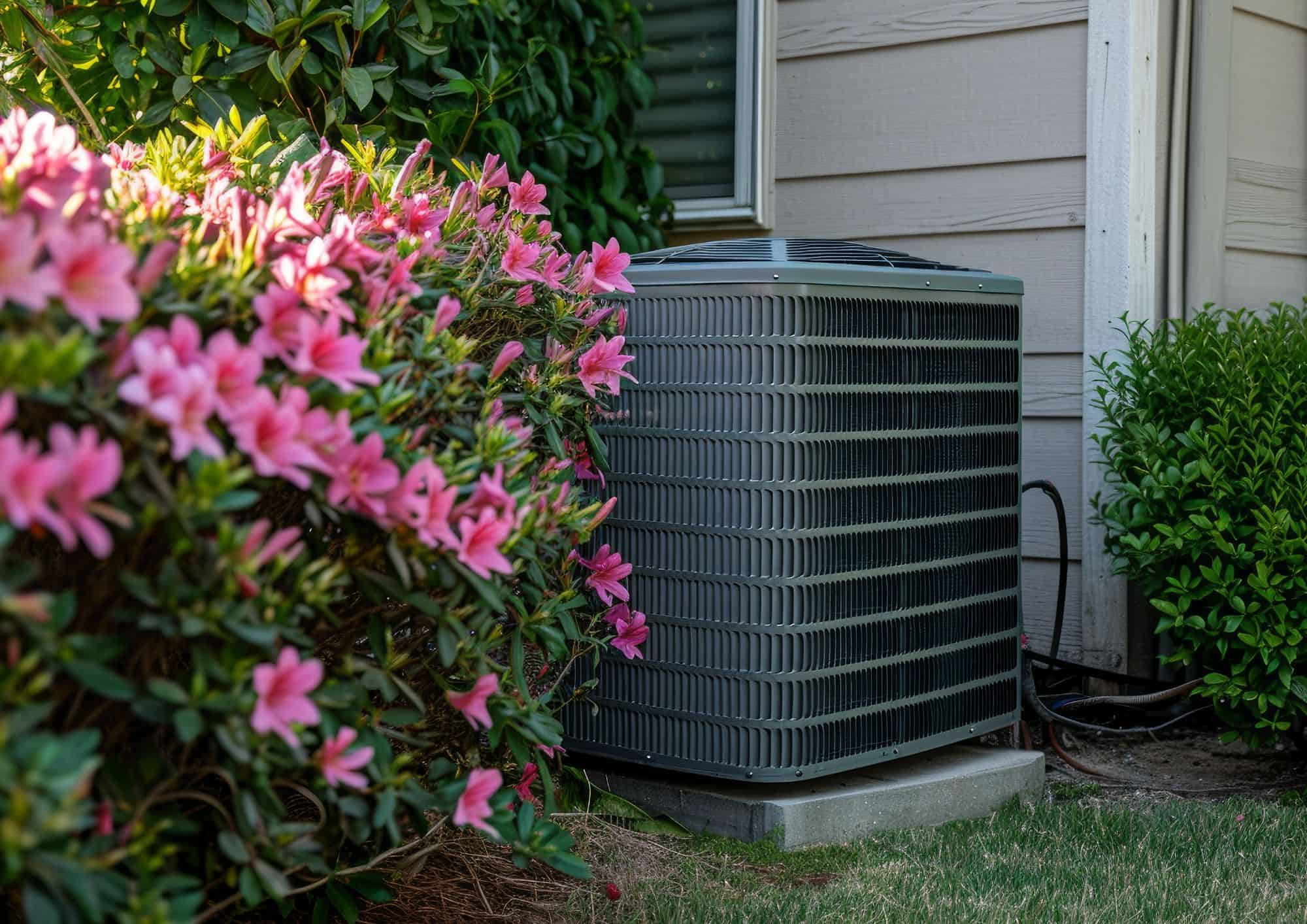
Practical summer AC maintenance tips are especially important in Fort Mohave, Bullhead City, Needles, Laughlin, Lake Havasu, and nearby desert communities. Air conditioners in this region can run for long periods during 110°F-plus weather, exposing motors, capacitors, coils, wiring, and refrigerant components to intense operating stress.
Protecting your cooling system takes more than lowering the thermostat. Good maintenance includes caring for the indoor air handler, preserving airflow around the outdoor condenser, watching for symptoms of strain, and scheduling professional service before minor issues develop into expensive breakdowns.
Why Are Summer AC Maintenance Tips So Important in the Desert?
Summer AC maintenance matters because extreme heat increases run time, and longer run time accelerates wear.
During a Fort Mohave or Lake Havasu summer, a system may run for extended stretches. Every extra hour adds workload to electrical parts, the compressor, blower motor, condenser fan motor, and other components.
Dust makes the problem worse. Fine desert particles can coat outdoor coils, collect on filters, and settle inside equipment. When airflow drops, the system must work harder to move heat out of the home.
For homeowners already seeing performance issues, River Valley Air Conditioning’s guide to AC repair services in Fort Mohave, AZ explains common reasons local systems need professional attention.
How Can You Protect an AC Outdoor Unit From Sunlight?
You can protect an AC outdoor unit from sunlight by shading the surrounding area while leaving the condenser open on all sides and above.
The outdoor unit is designed to operate outside, including in direct sun. It does not need to be wrapped or covered during summer. A tarp, solid decorative screen, or low roof can trap the hot air it is trying to release.
Better options include a nearby tree, an open-sided shade structure, or carefully placed landscaping that reduces direct afternoon sun without restricting airflow. Plants should remain trimmed and positioned far enough away that branches, leaves, and weeds cannot touch the cabinet.
Keep the Outdoor Condenser Free of Dust and Debris
Keeping the condenser clear is one of the most effective ways to protect an AC outdoor unit during summer.
Walk around the equipment every few weeks and remove loose weeds, leaves, grass clippings, plastic bags, and windblown trash. After monsoon winds, inspect the area again because debris can accumulate quickly.
Avoid stacking hoses, pool supplies, tools, patio furniture, or storage containers next to the condenser. The unit needs open space to pull in outdoor air.
If the coil looks heavily coated with dust or has bent fins, schedule professional cleaning. High-pressure water can flatten delicate fins, and opening the cabinet exposes electrical parts and the fan assembly.
Inspect and Replace the Air Filter Regularly
A clean air filter protects airflow, supports comfort, and helps reduce dust buildup inside the HVAC system.
During peak summer use, inspect the filter about once a month. Homes with pets, renovation dust, open doors, nearby construction, or frequent wind exposure may need more frequent replacement.
Use the correct filter size and the efficiency rating recommended for your system. A filter that is too restrictive can reduce airflow, even when it is new. Never run the AC without a filter.
Use the Thermostat to Reduce Unnecessary Strain
Stable thermostat settings can reduce unnecessary cycling and help the air conditioner manage extreme heat more efficiently.
Setting the thermostat far below the desired temperature does not make the system cool faster. It only tells the AC to keep running.
Use modest temperature adjustments when the home is unoccupied rather than shutting the AC off for long periods. Also keep lamps, televisions, electronics, and direct sunlight away from the thermostat.
What Does It Mean When the AC Runs Constantly?
An AC that runs constantly may be responding to severe outdoor heat, but it can also signal an airflow, refrigerant, thermostat, duct, or equipment problem.
Long cycles are common during extreme weather. Constant operation becomes more concerning when the indoor temperature keeps rising, airflow weakens, some rooms remain hot, the system freezes, or energy use suddenly increases.
Common causes include a clogged filter, dirty coil, blocked condenser, refrigerant issue, undersized equipment, leaky ductwork, thermostat error, or aging components. River Valley Air Conditioning’s guide on why an AC runs constantly offers a deeper look at warning signs and possible causes.
Watch for Condensate Drain and Moisture Problems
Moisture around the indoor unit may indicate a clogged condensate drain, damaged drain pan, frozen coil, or another cooling problem.
Look for standing water, damp ceilings, stained drywall, musty odors, or repeated shutdowns. Some systems include a safety switch that turns the AC off when water rises in the pan. Never bypass it.
Know Which AC Maintenance Tasks Homeowners Should Avoid
Homeowners can safely replace filters and clear loose exterior debris, but electrical, refrigerant, motor, and internal coil work should be left to trained technicians.
Do not add refrigerant, replace capacitors, open electrical compartments, bypass safety switches, or attempt damaged wiring repairs. Capacitors may hold a dangerous electrical charge even after power is turned off.
When Should You Schedule Professional Summer AC Service?
Schedule professional AC service before peak heat or as soon as you notice declining cooling performance, unusual sounds, electrical issues, ice, or leaking water.
A professional tune-up may include inspection of electrical connections, capacitors, contactors, motors, thermostat operation, refrigerant performance, coils, drains, airflow, and overall system function.
River Valley Air Conditioning’s maintenance plan is designed to help local homeowners prepare their systems for heavy seasonal demand.
Lake Havasu homeowners can also review these AC repair tips for Lake Havasu homes for additional guidance on recognizing local cooling problems.
Local Authority: Desert AC Maintenance Across the Tri-State Area
River Valley Air Conditioning has served local homes and businesses since 1955. The family-owned company brings four generations of HVAC experience to residential, commercial, and industrial systems throughout Fort Mohave, Bullhead City, Needles, Laughlin, Cal-Nev-Ari, Golden Shores, Mohave Valley, and Lake Havasu.
With more than 30 employees, emergency service, and experience servicing all major brands, the River Valley team understands how extreme heat, direct sunlight, airborne dust, and long cooling seasons affect local equipment.
Frequently Asked Questions About Summer AC Maintenance
Should I cover my outdoor AC unit during summer?
No. Covering an operating outdoor unit can block airflow and trap heat. Use distant landscaping or an open shade structure instead.
How often should I change my AC filter in summer?
Inspect the filter monthly during heavy summer use and replace it when dirty. Dusty homes may need more frequent changes.
Can sunlight damage an outdoor AC unit?
Outdoor units are designed to tolerate sunlight, but shade may help when provided without blocking airflow.
Why is my AC running all day during summer?
Extreme heat can cause long cycles, but constant running may also result from dirty filters, airflow restrictions, refrigerant issues, duct leaks, thermostat problems, or aging equipment.
What summer AC maintenance can I do myself?
Homeowners can replace filters, clear loose debris around the condenser, keep vents open, monitor thermostat performance, and watch for leaks or unusual sounds.
When should I call for summer AC service?
Call for service when the AC blows warm air, runs without reaching the thermostat setting, makes unusual noises, freezes, leaks water, or repeatedly trips a breaker.
Protect Your AC Before Peak Summer Heat
The most useful summer AC maintenance tips are simple: keep the filter clean, protect condenser airflow, use shade correctly, monitor run time, check for moisture, and respond quickly to warning signs.
These habits can reduce avoidable strain, but they do not replace professional service. A qualified technician can evaluate electrical parts, airflow, refrigerant performance, coils, motors, drains, and overall system condition.
Schedule summer AC service with River Valley Air Conditioning to help protect your unit, improve reliability, and keep your home comfortable through the toughest desert heat.