

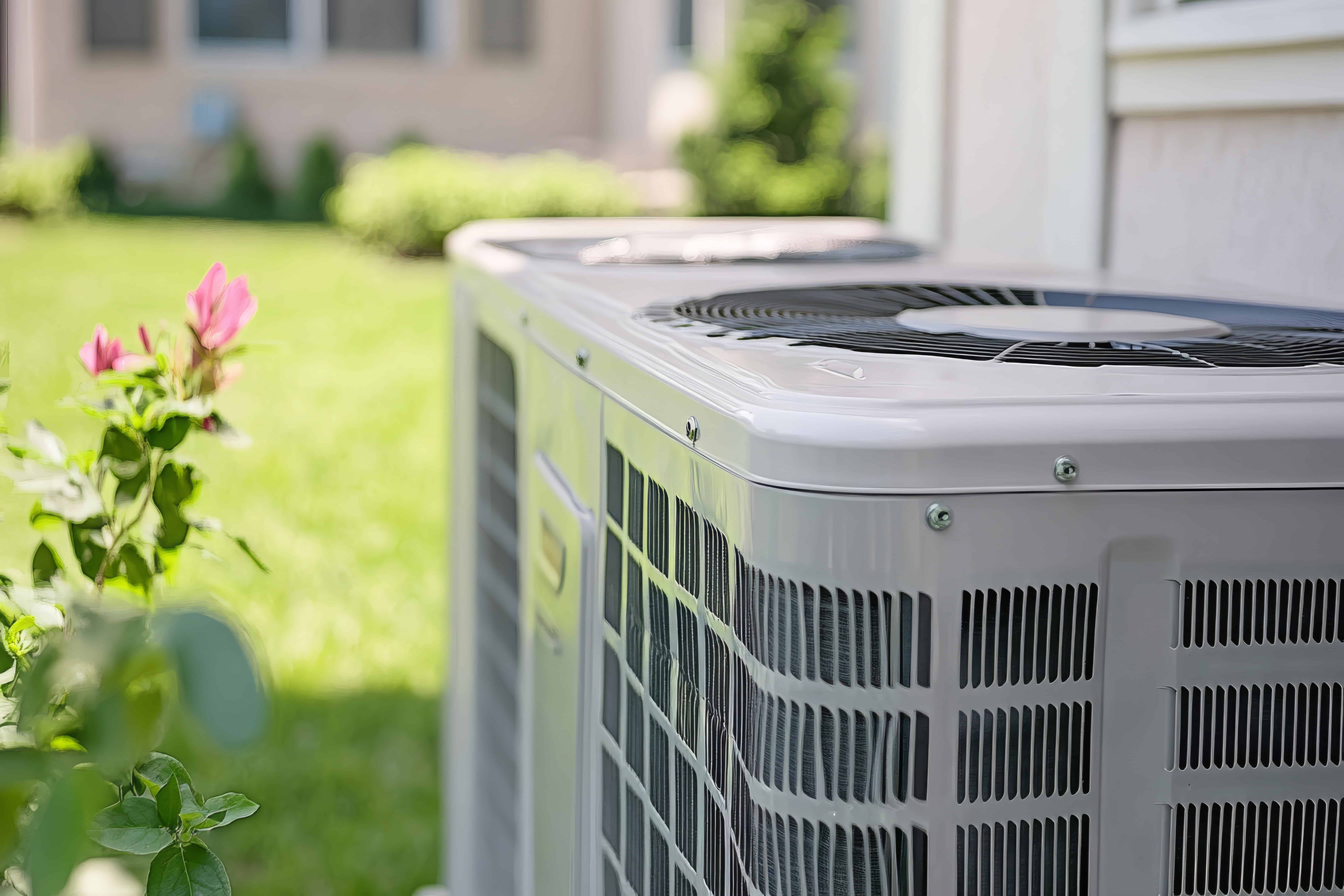
Spring AC maintenance prepares your cooling system for the hot months ahead by improving efficiency, preventing breakdowns, and extending equipment life. Cleaning filters, inspecting the outdoor unit, checking refrigerant levels, testing thermostats, and scheduling a professional AC tune-up help ensure your system runs smoothly and efficiently all season long. Performing these simple maintenance tasks before summer arrives can lower energy bills, improve indoor air quality, and keep your home comfortably cool.
Quick Facts About Spring AC Maintenance
- Spring HVAC maintenance helps your cooling system run more efficiently before peak summer demand.
- Dirty air filters restrict airflow and can increase energy use and wear on components.
- Clearing debris around outdoor condenser units improves airflow and cooling performance.
- Low refrigerant levels often indicate leaks and require professional service.
- Proper duct sealing improves airflow and prevents cooled air from escaping.
- Annual professional AC tune-ups help extend equipment lifespan and reduce the risk of breakdowns.
Why Spring AC Maintenance Matters
Spring AC maintenance prepares your cooling system for the demands of summer by ensuring every component operates efficiently and safely. As temperatures rise, your air conditioner becomes one of the most important systems in your home. A well-maintained unit cools faster, runs more efficiently, and experiences fewer breakdowns.
Routine spring AC maintenance involves cleaning, testing, inspecting, and optimizing key parts of the system. These steps help identify minor issues before they turn into costly repairs. Regular care also improves airflow and indoor air quality, which can benefit families dealing with allergies or respiratory concerns.
Safety should always come first during maintenance. Turning off power before inspecting or cleaning components helps prevent accidents. Homeowners can also review practical HVAC safety tips for every homeowner to ensure seasonal maintenance tasks are handled safely and effectively.
Replace or Clean AC Filters
Cleaning or replacing air filters is one of the simplest and most effective steps in any spring AC maintenance checklist. Clean filters allow air to move freely through the system, improving cooling performance and reducing strain on system components.
When filters become clogged with dust, pollen, and debris, airflow is restricted and the system must work harder to maintain the desired temperature. This increased workload raises energy consumption and accelerates wear on internal parts. Changing filters regularly helps maintain efficiency and prolong the life of the system.
Most filters should be replaced every one to three months depending on usage and filter type. Homeowners can explore the different types of furnace filters to determine which option best suits their home and indoor air quality needs.
Inspect and Clean the Outdoor Condenser
The outdoor condenser unit plays a critical role in your air conditioner’s ability to release heat. Over the winter months, leaves, dirt, and debris can accumulate around the unit, blocking airflow and reducing cooling efficiency.
As part of your spring HVAC maintenance, inspect the condenser area and remove debris within two feet of the unit. This open space allows the system to release heat efficiently and reduces strain on the compressor.
Before cleaning the unit, turn off electrical power for safety. Use a soft brush or gentle hose spray to remove dirt from the fins and coils. Avoid bending the fins, as this can restrict airflow. Homeowners can also review recommendations for protecting outdoor AC units from sunlight to further improve performance and system longevity.
Check Refrigerant Levels
Refrigerant is essential for the cooling process because it absorbs heat from inside the home and releases it outdoors. If refrigerant levels drop too low, the system must work harder to maintain comfortable temperatures.
Low refrigerant levels can reduce cooling performance, increase energy costs, and eventually damage the compressor. In many cases, refrigerant loss indicates a leak rather than simple depletion. Signs of low refrigerant may include weak airflow, warm air from vents, or ice buildup on evaporator coils.
Because refrigerant handling requires specialized equipment and certification, homeowners should contact a licensed technician if they suspect a leak. Early detection helps prevent costly damage and keeps your system operating efficiently throughout the summer months.
Test the Thermostat and Electrical Components
Your thermostat acts as the control center of your cooling system, and accurate readings are essential for maintaining comfort and efficiency. During spring maintenance, switch the thermostat to cooling mode and confirm the system responds correctly.
Modern programmable or smart thermostats can significantly improve efficiency by adjusting temperatures automatically based on your schedule. Many homeowners discover additional savings after upgrading to smart controls, which optimize cooling patterns throughout the day.
Electrical components also require inspection. Loose connections, worn contactors, or corroded wiring can cause short cycling or system failure. If you notice unusual clicking sounds or intermittent cooling, it may indicate issues such as a bad AC contactor.
Inspect Air Ducts and Airflow
Airflow plays a major role in cooling efficiency, which makes duct inspection an important step in any spring AC maintenance checklist. Leaky or blocked ductwork forces the system to work harder and can cause uneven temperatures throughout the home.
Start by ensuring vents are not blocked by furniture, curtains, or rugs. Next, inspect visible ductwork for gaps or damage. Even small leaks can allow conditioned air to escape before it reaches living spaces.
Homeowners interested in checking their system more closely can review guidance on testing HVAC ducts for leaks. Sealing duct leaks helps improve airflow, reduce energy waste, and maintain consistent indoor temperatures.
Schedule a Professional AC Tune-Up
While many maintenance tasks can be performed by homeowners, a professional AC tune-up remains one of the most important steps in preparing your system for summer. Certified technicians can inspect internal components that are not visible during routine checks.
During a tune-up, technicians typically inspect coils, measure refrigerant pressure, test electrical components, verify thermostat calibration, and evaluate system airflow. These steps help identify small issues before they lead to expensive repairs or system failure.
Many homeowners also benefit from enrolling in a seasonal HVAC maintenance plan. Maintenance plans help ensure routine inspections are scheduled automatically, keeping the system operating efficiently year after year.
FAQs About Spring AC Maintenance
How often should spring AC maintenance be performed?
What are signs my AC needs a tune-up?
Can I clean my AC condenser myself?
Does AC maintenance help lower energy bills?
How long does a spring AC tune-up take?
Stay Ahead With Smart Spring HVAC Care
Preparing your cooling system before the summer heat arrives helps ensure your home stays comfortable and energy-efficient. By following a consistent spring AC maintenance checklist, homeowners can prevent common issues and reduce the likelihood of costly repairs.
Regular maintenance improves airflow, keeps components clean, and allows your system to operate at peak efficiency. These small steps make a significant difference in both comfort and long-term equipment performance.
If you want to ensure your system is fully prepared for the summer season, scheduling professional service provides an extra layer of confidence. Experienced technicians can inspect internal components, identify hidden problems, and confirm your system is operating safely and efficiently.
Ready for a Cooler, More Efficient Season
Spring is the ideal time to schedule a full system inspection before the hottest days arrive. A professional AC tune-up helps keep your home cool, reduces energy costs, and ensures your air conditioning system performs reliably when you need it most.
To prepare your home for the upcoming summer season, consider scheduling seasonal maintenance with a trusted HVAC professional. You can explore local service options by visiting the River Valley AC service areas page and connecting with experienced technicians who can help keep your cooling system running smoothly.