

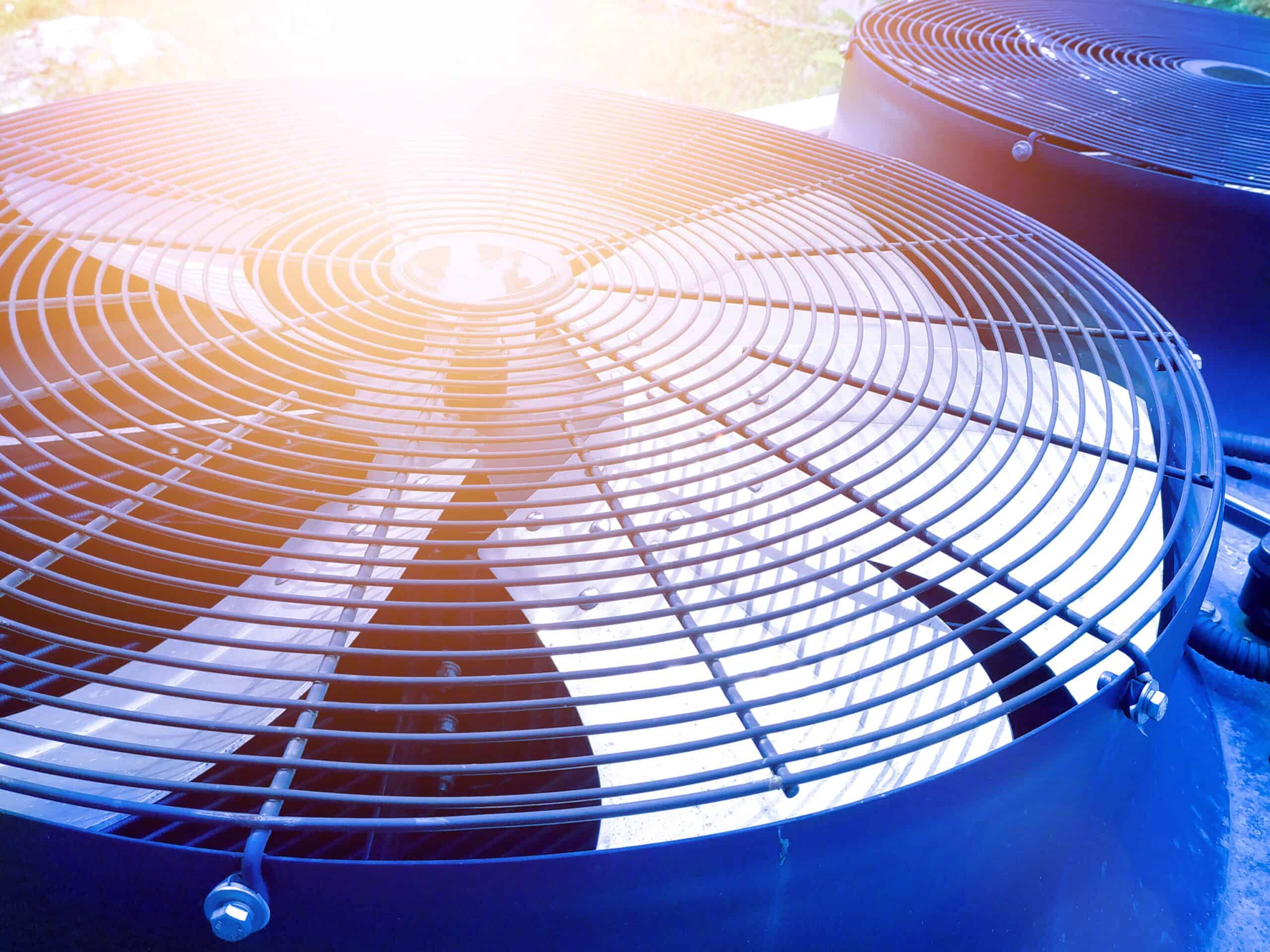
Reliable AC repair Fort Mohave AZ service is essential when your cooling system stops keeping up with the heat. In Fort Mohave and the surrounding Tri-State area, air conditioners work through long cooling seasons, intense sun exposure, heavy dust, and summer temperatures that can push HVAC equipment to its limits.
If your AC is blowing warm air, making strange noises, short cycling, leaking water, or failing during peak heat, waiting too long can make the problem worse. A timely repair visit can help identify the issue, protect your system from further damage, and restore comfort before a minor problem becomes a full breakdown.
River Valley AC understands how demanding the local climate can be on residential and light commercial cooling systems. Whether you need routine troubleshooting or AC emergency repair, the right technician can help you get clear answers and dependable cooling again.
Why AC Repair Fort Mohave AZ Service Matters
AC repair Fort Mohave AZ service matters because local cooling systems are exposed to some of the most demanding conditions homeowners can face.
In milder climates, a struggling air conditioner may be uncomfortable. In Fort Mohave, Bullhead City, Needles, Laughlin, Cal-Nev-Ari, Golden Shores, Mohave Valley, and Lake Havasu, a failing AC can quickly affect daily comfort and indoor safety. Long cooling cycles, dusty air, and triple-digit temperatures all increase wear on critical HVAC components.
When one component begins to fail, the rest of the system often works harder to compensate. A weak capacitor, dirty condenser coil, failing fan motor, low refrigerant charge, clogged condensate drain, or airflow restriction can make your AC run longer while cooling less effectively.
Prompt repair helps reduce unnecessary strain. It also gives a technician the opportunity to find the root cause instead of simply treating the symptom. That matters because a system that keeps running under poor conditions may use more energy, deliver less comfort, and experience more frequent breakdowns.
Common Signs You Need Air Conditioning Service Fort Mohave Homeowners Should Not Ignore
The most common signs you need air conditioning service Fort Mohave homeowners should watch for include warm air, weak airflow, frequent cycling, loud noises, water leaks, and sudden utility bill increases.
Your air conditioner usually gives some warning before it stops working completely. The key is knowing which changes deserve attention. If your system is running but your home still feels warm, the issue may be connected to refrigerant, airflow, dirty coils, electrical components, or thermostat communication.
Weak airflow can be another major sign. Sometimes the problem is as simple as a clogged filter. Other times, it may involve the blower motor, ductwork, evaporator coil, or return air pathway. If airflow feels reduced throughout the home, the system should be inspected before it overheats or freezes up.
Short cycling is also worth taking seriously. This happens when the AC turns on and off too frequently instead of completing normal cooling cycles. Short cycling may be caused by electrical issues, thermostat problems, refrigerant concerns, dirty coils, or improper system sizing.
Other repair warning signs include:
- Grinding, buzzing, rattling, or screeching sounds
- Ice on refrigerant lines or indoor coils
- Water around the indoor air handler
- Musty, burning, or chemical odors
- Hot and cold spots throughout the home
- Breaker trips when the AC starts
- Sudden spikes in energy bills
What Causes AC Breakdowns in Fort Mohave Homes?
AC breakdowns in Fort Mohave homes are often caused by extreme heat, electrical wear, dirty coils, restricted airflow, refrigerant problems, and lack of routine maintenance.
Desert conditions are tough on cooling equipment. Outdoor condenser units release heat from your home, but dust, debris, and blocked airflow can make that process harder. When the outdoor coil is dirty, the system may run hotter and longer, which can increase wear on motors, capacitors, and the compressor.
Electrical components also work hard during long cooling seasons. Capacitors, contactors, wiring, and motors can weaken over time. In many cases, homeowners first notice the system humming, struggling to start, or shutting off unexpectedly.
Refrigerant issues can also affect cooling performance. Low refrigerant often indicates a leak, and operating the system under low charge conditions can lead to frozen coils, poor cooling, and compressor strain. Refrigerant should not simply be topped off without finding and repairing the leak.
Airflow problems are another common source of AC trouble. Dirty filters, blocked returns, closed vents, duct restrictions, and dirty blower components can all reduce performance. When airflow drops, your AC may freeze, overheat, or fail to cool rooms evenly.
When Is AC Emergency Repair Needed?
AC emergency repair is needed when your system stops cooling during extreme heat, creates electrical safety concerns, or fails in a way that puts vulnerable household members at risk.
Not every repair issue is an emergency. A minor noise or slight performance change may be scheduled during regular service hours. However, some problems should be addressed quickly, especially during Fort Mohave’s hottest weather.
You should request urgent AC service if your system stops cooling completely during extreme temperatures, especially if the home includes infants, older adults, pets, or anyone with health conditions affected by heat. You should also call for help if you smell burning, see smoke, hear loud electrical buzzing, or experience repeated breaker trips.
Water leaks can also become urgent if they are near electrical components or causing damage to flooring, walls, or ceilings. While a clogged drain line may sound minor, it can create water damage if ignored.
What Happens During a Professional AC Repair Visit?
During a professional AC repair visit, a technician inspects the system, tests key components, identifies the cause of the problem, explains repair options, and verifies proper operation after the repair is complete.
A thorough service visit should begin with a conversation about what you have noticed. Details like when the issue started, whether the AC cools at certain times of day, and whether any noises or odors appeared can help guide the diagnosis.
From there, the technician may inspect the thermostat, air filter, electrical connections, capacitors, contactors, motors, refrigerant pressures, coils, drain line, blower operation, and airflow. For systems with suspected refrigerant trouble, the technician may also check for leaks and verify whether the system charge matches manufacturer specifications.
After the issue is identified, a reputable technician should explain what failed, why it matters, and what repair is recommended. Once the repair is completed, the system should be tested to confirm that it starts properly, cools effectively, cycles correctly, and operates safely.
How Can Homeowners Reduce Future AC Repair Needs?
Homeowners can reduce future AC repair needs by changing filters regularly, keeping outdoor units clear, scheduling maintenance, and responding quickly to changes in cooling performance.
In Fort Mohave, preventive care matters because air conditioners often run for long stretches under heavy demand. A clean filter helps protect airflow and reduces strain on the blower motor and evaporator coil. During high-use months, filters may need to be checked more often, especially in homes with pets, dust exposure, or frequent door traffic.
Outdoor unit clearance is important too. Keep weeds, leaves, and debris away from the condenser. The system needs open airflow to release heat efficiently. If the outdoor coil is blocked or dirty, cooling performance can drop and operating pressure can rise.
Routine maintenance gives technicians a chance to catch worn parts, dirty coils, weak capacitors, refrigerant concerns, drain problems, and airflow issues before they interrupt your comfort.
Local Authority: AC Repair in Fort Mohave and the Tri-State Area
River Valley AC serves Fort Mohave, Bullhead City, Needles, Laughlin, Cal-Nev-Ari, Golden Shores, Mohave Valley, and Lake Havasu. Across these Arizona, California, and Nevada communities, air conditioners face long run times, intense summer heat, dust, and heavy seasonal demand. River Valley Air Conditioning has served the Tri-State area since 1955 and is a fourth-generation, family-owned HVAC company with a large local team. That local experience matters because AC repair in this region is not generic. Technicians need to understand how desert heat, Colorado River humidity, monsoon conditions, and year-round cooling demand affect system performance.
Frequently Asked Questions About AC Repair in Fort Mohave
How do I know if I need AC repair in Fort Mohave AZ?
You may need AC repair in Fort Mohave AZ if your system blows warm air, runs constantly, makes unusual noises, leaks water, freezes up, trips breakers, or causes a sudden increase in energy bills.
Is weak airflow an air conditioning repair issue?
Yes. Weak airflow can be caused by clogged filters, blower problems, dirty coils, duct restrictions, or other issues that should be inspected by a professional technician.
When should I request AC emergency repair?
Request AC emergency repair if your system stops cooling during extreme heat, trips breakers repeatedly, produces burning smells, leaks near electrical components, or creates safety concerns in your home.
Can maintenance prevent AC repair problems?
Regular maintenance can reduce many repair risks by identifying worn parts, dirty coils, airflow restrictions, refrigerant concerns, and electrical issues before they cause breakdowns.
Conclusion: Request AC Repair in Fort Mohave
When your cooling system starts struggling, waiting too long can increase repair costs and make your home uncomfortable fast. Professional AC repair Fort Mohave AZ service helps restore reliable cooling, protect your equipment, and give you confidence during the hottest months of the year.
If your AC is blowing warm air, running too long, making strange sounds, leaking water, or failing during peak heat, River Valley AC is ready to help. Request AC repair in Fort Mohave today and get your home cool, comfortable, and back on track.